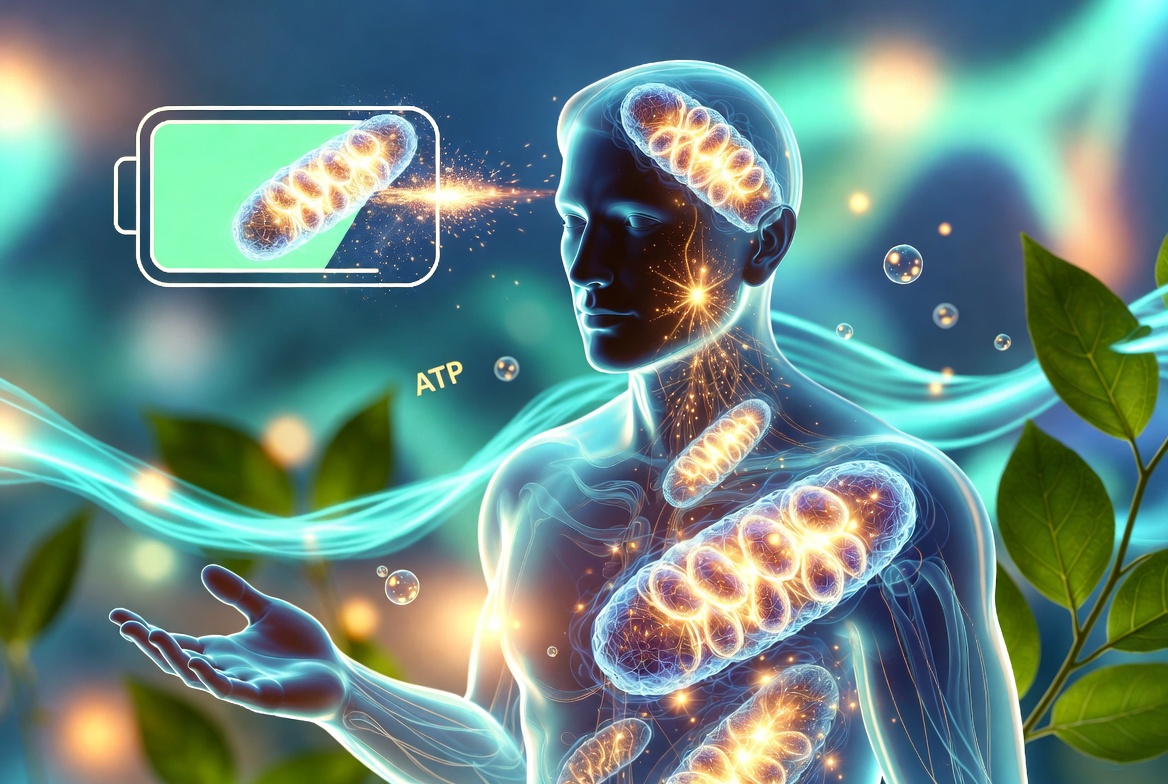
Tired All the Time? It Might Be Your Mitochondria — Not Just “Normal Aging”. Do you wake up exhausted even after sleeping 8 hours? Struggle with brain fog, low motivation, or that heavy “wired-but-tired” feeling? You’re not lazy — and it’s probably not just stress. The real culprit could be hiding inside your cells. Mitochondria are the tiny power plants that produce 90% of your body’s energy. When they become damaged or inefficient, everything suffers: energy, focus, metabolism, and even mood.In my latest article, I dive deep into:
- Why mitochondrial dysfunction is one of the root causes of chronic fatigue
- The best natural ways to repair and grow new mitochondria
- How targeted nutrition and specific supplements can dramatically boost your energy
- Why Opti-Mito-Force from Optimal Health Systems stands out as one of the most effective mitochondrial formulas available
If you’re ready to stop just “pushing through” fatigue and actually fix the problem at the cellular level, this is for you. Read the full article here:
Recharging Your Cellular Batteries: How Mitochondrial Health Holds the Key to Beating Chronic Fatigue
Your energy levels are about to change.
Frequently Asked Questions About Mitochondrial Health and Chronic Fatigue
How do I know if my fatigue is caused by poor mitochondrial function?
Mitochondrial-related fatigue often feels different from normal tiredness. Common signs include exhaustion that doesn’t improve with rest, heavy limbs, brain fog, post-exertional malaise, and feeling “wired but tired.” Functional testing such as organic acids urine test, mitochondrial function markers, or nutrient deficiency panels can help identify underlying issues. Many people see dramatic improvements once they begin supporting their mitochondria with proper nutrition and targeted supplements.
Can improving mitochondrial health help with long COVID or post-viral fatigue?
Yes, many individuals recovering from long COVID and post-viral syndromes show signs of mitochondrial damage. Viruses can impair mitochondrial energy production, leading to prolonged fatigue. Supporting mitochondrial repair through antioxidants, PQQ, CoQ10, and lifestyle changes has helped numerous people regain energy and cognitive function. Addressing mitochondrial health is becoming a key strategy in functional medicine protocols for post-viral recovery.
What makes Opti-Mito-Force different from other mitochondrial supplements?
Opti-Mito-Force by Optimal Health Systems stands out because it uses a synergistic blend of methylated PQQ, alpha-lipoic acid, grape seed extract, pine bark, turmeric, and B vitamins in a whole-food base with enzymes for superior absorption. Unlike many isolated supplements, this formula is designed to both protect existing mitochondria from oxidative damage and stimulate the creation of new mitochondria through mitochondrial biogenesis.
Is it possible to boost mitochondria naturally without supplements?
Yes, you can support mitochondrial health naturally through regular exercise (especially zone 2 cardio), intermittent fasting, cold exposure, quality sleep, and a nutrient-dense diet rich in antioxidants and healthy fats. However, due to modern lifestyle factors and soil nutrient depletion, many people achieve faster and more noticeable results when combining these practices with high-quality mitochondrial supplements like Opti-Mito-Force.
How does mitochondrial health affect hormone balance and metabolism?
Mitochondria play a crucial role in hormone production and metabolic regulation. Poor mitochondrial function can contribute to thyroid issues, insulin resistance, adrenal stress, and stubborn weight gain. When you improve mitochondrial efficiency, many people notice better hormone balance, more stable energy, and easier weight management. This is why mitochondrial support is a foundational approach in functional medicine for both men and women.
What is the best exercise for improving mitochondrial function?
Zone 2 aerobic training (moderate intensity where you can still hold a conversation) is one of the most effective exercises for increasing mitochondrial density and efficiency. Strength training and occasional high-intensity intervals also help. The key is consistency rather than intensity when starting out. Combining smart movement with mitochondrial-supporting nutrition creates powerful synergy for rebuilding cellular energy over time.
Can poor mitochondrial health contribute to brain fog and mood issues?
Absolutely. The brain is highly energy-dependent and contains