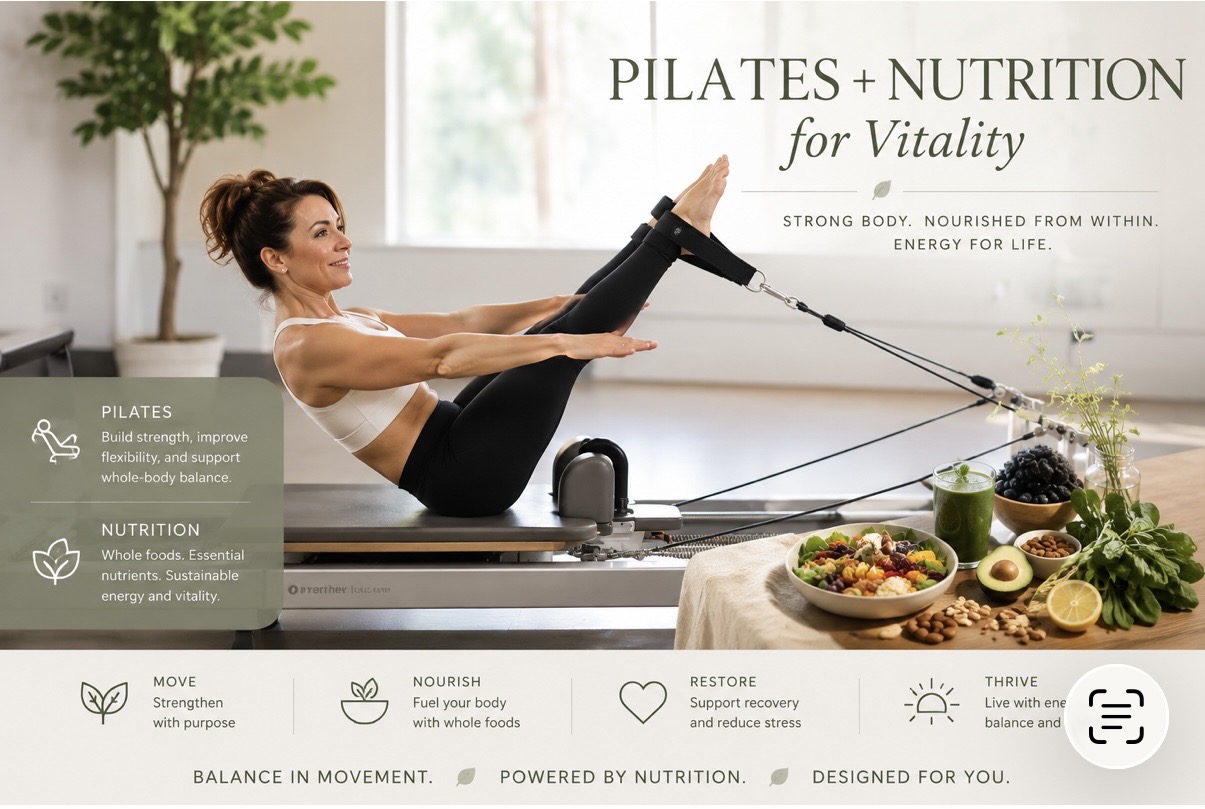
Injury recovery has two components that are rarely addressed together: movement rehabilitation and nutritional support. Physical therapy and Pilates address the movement side. But what you eat during recovery directly affects how fast tissue heals, how much muscle is lost during reduced activity, and how your immune and inflammatory systems manage the healing process.
As a Registered Dietitian, Certified Functional Medicine Practitioner, and classical Pilates instructor in Plano, TX, I sit at the intersection of both. Here is what the evidence — and my clinical experience — says about optimizing nutrition alongside Pilates for injury recovery.
Protein: The Non-Negotiable of Tissue Repair
Every tissue in your body that repairs itself — muscle, tendon, ligament, bone — requires amino acids from dietary protein as the raw material for repair. During injury recovery, protein requirements are elevated compared to maintenance — typically 1.4–2.0 grams per kilogram of body weight, depending on the severity of injury and the degree of immobilization involved.
Leucine is the key amino acid for triggering muscle protein synthesis — found in highest concentrations in animal proteins, dairy, and legumes. Collagen-forming amino acids (glycine, proline, hydroxyproline) from bone broth, gelatin, and collagen peptides specifically support tendon, ligament, and cartilage repair. These are not interchangeable — optimizing recovery requires attention to protein quality and distribution, not just total grams.
Anti-Inflammatory Nutrition Accelerates Healing
Inflammation is a necessary part of healing — but chronic, unresolved inflammation slows it. The dietary pattern that resolves inflammation efficiently while allowing the acute inflammatory phase to complete includes: omega-3 fatty acids (EPA/DHA from fatty fish or high-quality fish oil), vitamin C (required for collagen synthesis — 500–1000mg during recovery), zinc (tissue repair and immune function), and polyphenol-rich foods that modulate inflammatory pathways without suppressing the healing response.
Equally important is what to reduce: refined carbohydrates and added sugars drive pro-inflammatory arachidonic acid production. Alcohol impairs sleep quality, depletes B vitamins and zinc, and delays tissue repair. These are the highest-leverage dietary changes during active recovery.
How Classical Pilates Fits Into Recovery
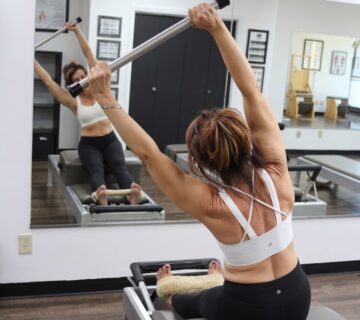
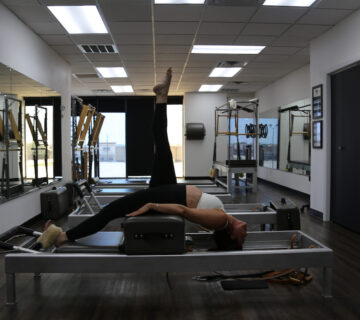
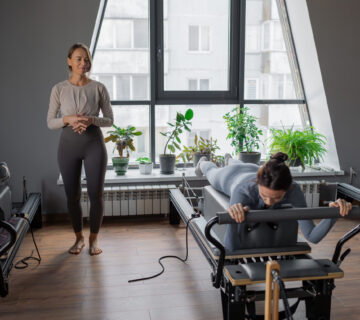
Classical Pilates is one of the most injury-recovery-compatible movement modalities available. The spring-based apparatus allows loading of injured structures at precisely the resistance level appropriate to each healing phase — offloading when the tissue is fragile, progressively loading as strength returns. The emphasis on alignment and muscle balance addresses the compensatory patterns that developed around the injury and that, if left unaddressed, become the source of re-injury.
We coordinate with physical therapists and surgeons to understand exactly where you are in the healing timeline and design your Pilates program accordingly. For clients who want the full recovery advantage, a functional nutrition consultation at FitNVitality addresses the nutritional side of the equation with the same specificity.
Frequently Asked Questions
What supplements help most with injury recovery?
The supplements with the strongest evidence for injury recovery include: collagen peptides with vitamin C (taken 30–60 minutes before training — the vitamin C is required to activate collagen synthesis), omega-3 fatty acids EPA and DHA (2–3 grams daily for anti-inflammatory effect), zinc (25–40mg during active recovery), magnesium (supports sleep quality and muscle function during recovery), and vitamin D if deficient (deficiency significantly impairs bone and muscle healing). Creatine monohydrate has emerging evidence for reducing muscle mass loss during immobilization. All supplementation works best within a nutrient-dense whole-food dietary foundation.
Should I eat more or less during injury recovery?
This depends on the degree of immobilization. For injuries where you can continue some movement and Pilates training, caloric intake should remain similar to pre-injury levels — the healing process itself requires significant energy. For injuries involving complete rest or immobilization, modest caloric reduction may be appropriate to prevent excess fat gain, but protein intake should remain high (1.4–2.0g/kg) to minimize muscle loss. Aggressive caloric restriction during healing delays tissue repair and extends recovery time.
How does Pilates prevent re-injury after recovery?
Re-injury most often occurs because the movement patterns that developed around the original injury were never fully corrected — the body learned to protect the injured area by compensating, and those compensations persist after healing. Classical Pilates addresses this by systematically rebuilding balanced muscle recruitment, correcting alignment, and developing the proprioceptive awareness that prevents the uncontrolled movements that cause injury. The progressive loading of the classical sequence also ensures that strength is genuinely rebuilt before full activity resumes, rather than returning to full load on a body that is structurally unprepared.
If you are recovering from an injury and want both movement rehabilitation and nutritional support working together, reach out to Fit N Pilates and FitNVitality in Plano, TX.
Fit N Pilates | Shannon Rene & Denee
2301 Ohio Dr, Suite 245, Plano TX 75093 | (214) 789-5563