Pilates Benefits for Core Strength in Plano Explained
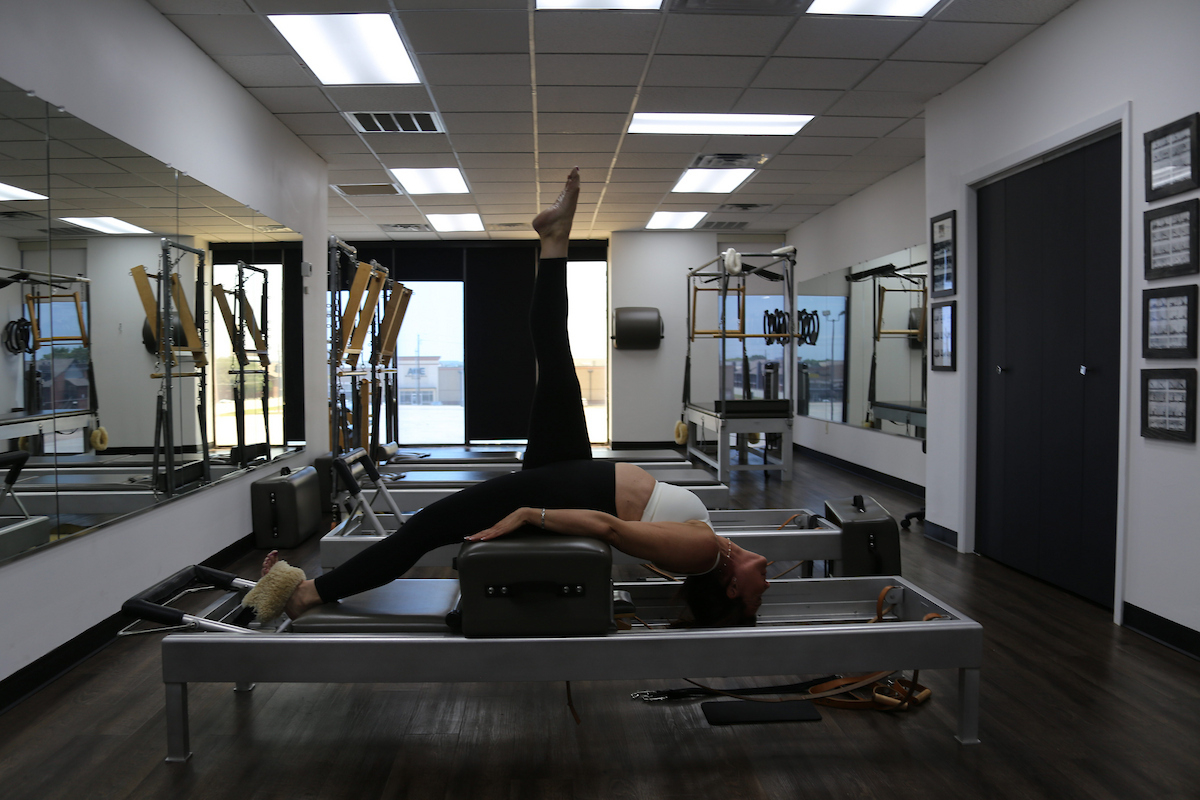
When most people think about core strength, they think about visible abdominal muscles or the ability to do sit-ups. Classical Pilates builds something more fundamental — and more functional — than either of those things. The core strength that the classical Pilates method develops changes how your spine is protected, how your body moves through daily life, and how pain patterns that have been present for years begin to resolve.
At Fit N Pilates in Plano, TX, we teach the authentic Joseph Pilates method. Here is what you actually gain from developing core strength through classical Pilates.
Spinal Protection That Works Automatically
The deep stabilizing muscles of the core — transverse abdominis, multifidus, pelvic floor, diaphragm — are designed to activate before any limb movement occurs. This anticipatory stabilization is what protects the spine from injury during daily activities: picking something up, carrying groceries, reaching overhead, sitting at a desk for hours.
In most people, this system is underactive. Injury, sedentary habits, and chronic compensations have disrupted the automatic firing pattern. Classical Pilates is one of the few training methods that specifically retrain this anticipatory stabilization — not by doing crunches, but by working the deep system in the patterns of actual movement.
Postural Endurance, Not Just Postural Awareness
Many people know what good posture looks like. Very few can sustain it without fatigue — because postural endurance requires the slow-twitch, deep stabilizing muscles to be trained for endurance. Classical Pilates, with its emphasis on controlled repetition and precise alignment, builds exactly this quality. Clients regularly report that they notice themselves sitting and standing differently within weeks — not because they are trying harder, but because the muscles that maintain posture without effort are stronger.
Movement That Originates From Center
Joseph Pilates described the powerhouse — the girdle from the lower ribs to the hip crease — as the source of all movement. When this center is genuinely strong and stable, the arms and legs move more freely, with less unnecessary tension in the neck, shoulders, and hips. Athletes notice improved performance. Non-athletes notice that physical tasks feel easier. Everyone notices reduced fatigue in sustained activities.
For clients looking to support their Pilates results nutritionally, a consultation at FitNVitality addresses the protein intake, micronutrient status, and hormonal factors that determine how effectively your body responds to and recovers from training.
Frequently Asked Questions
How is Pilates core strength different from doing planks or crunches?
Planks primarily train the rectus abdominis and hip flexors under isometric load. Crunches train the rectus abdominis through a limited range of motion. Neither specifically targets the deep stabilizing system — transverse abdominis, multifidus, pelvic floor — that protects the spine and enables efficient movement. Classical Pilates trains the deep system through functional movement patterns with progressive loading, producing the kind of core strength that transfers to daily life and reduces pain in ways that surface-level core exercises do not.
Will Pilates give me a flatter stomach?
Classical Pilates does strengthen and tone the abdominal muscles, and many clients notice a visibly flatter, more toned midsection over time — particularly as the deep transverse abdominis develops and provides the natural corset effect that defines the waist. However, body composition changes also depend significantly on nutrition, hormonal health, and overall lifestyle. The combination of Pilates and functional nutrition from FitNVitality produces the most comprehensive body composition results.
How many Pilates sessions per week do I need to build real core strength?
Two sessions per week produces meaningful and progressive core development for most clients. Three sessions per week accelerates the process significantly. One session per week maintains what you have and produces slow progress. The neuromuscular learning that classical Pilates requires — developing the motor patterns that activate the deep stabilizing system — benefits from repetition frequency. More sessions per week means faster motor learning and faster strength development.
If you want to experience what genuine core strength feels like, schedule a private Pilates session at Fit N Pilates in Plano, TX.
Fit N Pilates | Shannon Rene & Denee
2301 Ohio Dr, Suite 245, Plano TX 75093 | (214) 789-5563