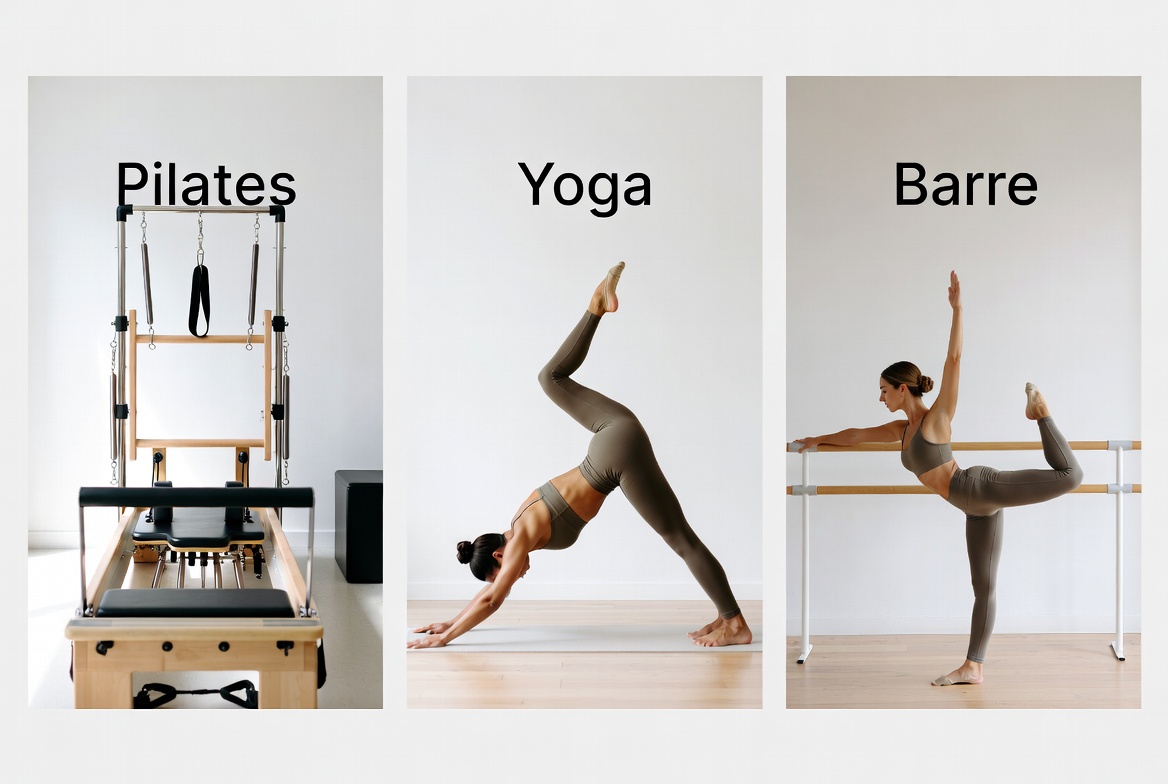
If you are trying to decide between classical Pilates, yoga, barre, or another movement practice — or wondering whether to add Pilates to a practice you already have — this is a direct and honest comparison from a classical Pilates perspective. We will give credit where it is due to every modality and be clear about what each does and does not accomplish.
Classical Pilates
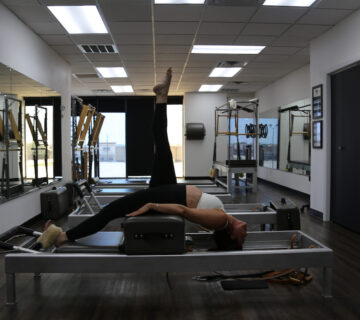
What it does well: Classical Pilates is specifically designed to develop the deep stabilizing muscular system, correct postural imbalances, rehabilitate injury, and retrain movement patterns at a neuromuscular level. The spring-based apparatus allows precise, progressive loading of the deep core and supporting structures in ways that bodyweight exercise cannot replicate. Private instruction means every session is responsive to your body. The therapeutic applications — back pain, post-surgical recovery, osteoporosis, scoliosis, joint dysfunction — are deeper than any other movement practice listed here.
What it does not do: Classical Pilates is not primarily a cardiovascular practice. It does not produce the cardiovascular conditioning effects of running, cycling, or HIIT. It is not a flexibility practice in the same tradition as yoga, though significant improvements in functional flexibility occur as a side effect of proper movement patterning.
Best for: Chronic pain, injury recovery, postural correction, deep core development, rehabilitation, anyone who wants precise and progressive individualized training.
Yoga
What it does well: Yoga encompasses an enormous range of styles — from deeply meditative to athletically demanding. Most yoga practices develop flexibility, body awareness, breath connection, and mental focus. Styles like Ashtanga and power yoga provide meaningful strength development alongside flexibility. The meditative and philosophical dimensions of traditional yoga practice are profound and offer benefits that movement alone does not address.
What it does not do: Yoga does not specifically target the deep stabilizing system the way classical Pilates does. Many common yoga postures actually reinforce the same postural compensations that cause pain — forward folding, rounding, and deep hip flexor stretching can aggravate the patterns underlying back pain and hip dysfunction if done without the core stability and postural foundation that Pilates develops first. Yoga is also generally taught in group formats with limited individual instruction.
Best for: Flexibility, stress management, mindfulness, general fitness, spiritual practice. Works well alongside Pilates when each is doing its distinct job.
Barre
What it does well: Barre classes provide a reasonably effective combination of small-range muscular endurance work, cardio, and flexibility in a group format. The ballet-inspired aesthetic appeals to many clients, and the isometric holds and high-repetition sequences produce a distinctive type of muscular fatigue. Many people find barre classes enjoyable and motivating.
What it does not do: Barre does not develop deep spinal stability, address postural imbalances with any specificity, or provide the progressive, individualized loading that produces therapeutic results. The high-repetition, small-range format is not well-supported by evidence for strength development, and the emphasis on turned-out hip positioning can reinforce alignment patterns that are not biomechanically ideal for everyone. It is essentially a fitness class — enjoyable and moderately effective for general conditioning, but not therapeutic and not classical.
Best for: General conditioning, group fitness enjoyment, clients who like the aesthetic. Not a substitute for Pilates if therapeutic or structural goals are present.
How Classical Pilates Fits Alongside Other Practices
Classical Pilates works exceptionally well as a complement to other movement practices — not in competition with them. Many of our clients at Fit N Pilates also practice yoga, run, cycle, swim, or play golf or tennis. Pilates provides the structural foundation — the core stability, postural alignment, and movement quality — that makes every other physical activity safer and more effective.
If you have a movement practice you love and want to address specific structural issues, reduce injury risk, or improve your performance in that practice, classical Pilates is likely the most targeted tool available to you.
For clients who want to address the whole picture — movement quality and nutritional foundation together — a consultation at FitNVitality provides the personalized functional medicine nutrition support that amplifies results from any movement practice.
Frequently Asked Questions
Should I choose Pilates or yoga?
The choice depends on your primary goals. If your goals involve pain relief, injury recovery, postural correction, deep core development, or individualized therapeutic training, classical Pilates is the more targeted option. If your goals emphasize flexibility, mindfulness, breath practice, or the philosophical dimensions of a movement tradition, yoga may serve those goals better. Many people benefit from both — Pilates for structural foundation and core stability, yoga for flexibility and mental practice. They complement each other well when each is taught with integrity.
Can I do Pilates and yoga at the same time?
Yes — and many people do. The most common pattern is classical Pilates two to three times per week as the structural and core foundation, with yoga as a complementary practice for flexibility, breath work, and mental reset. We do recommend communicating with your Pilates instructor about your yoga practice, as certain yoga postures may need modification depending on what structural issues your Pilates program is addressing. For example, clients working on reducing anterior pelvic tilt may need to temporarily modify deep hip flexor stretches common in yoga.
Is Pilates or barre better for weight loss?
Neither is primarily a weight loss tool in isolation — that distinction goes to nutrition, which has a far larger impact on body composition than any exercise modality. That said, classical Pilates develops lean muscle mass, which increases resting metabolic rate and improves insulin sensitivity over time — factors that support long-term body composition changes in ways that high-repetition barre work does not. For clients with body composition goals, pairing classical Pilates with the functional nutrition guidance available at FitNVitality produces significantly better outcomes than either exercise alone.
If you have questions about whether classical Pilates is the right fit for your goals and current movement practice, we are happy to talk it through. Call (214) 789-5563 or visit us at 2301 Ohio Dr, Suite 245, Plano TX 75093.
Fit N Pilates | Shannon Rene & Denee
2301 Ohio Dr, Suite 245, Plano TX 75093 | (214) 789-5563