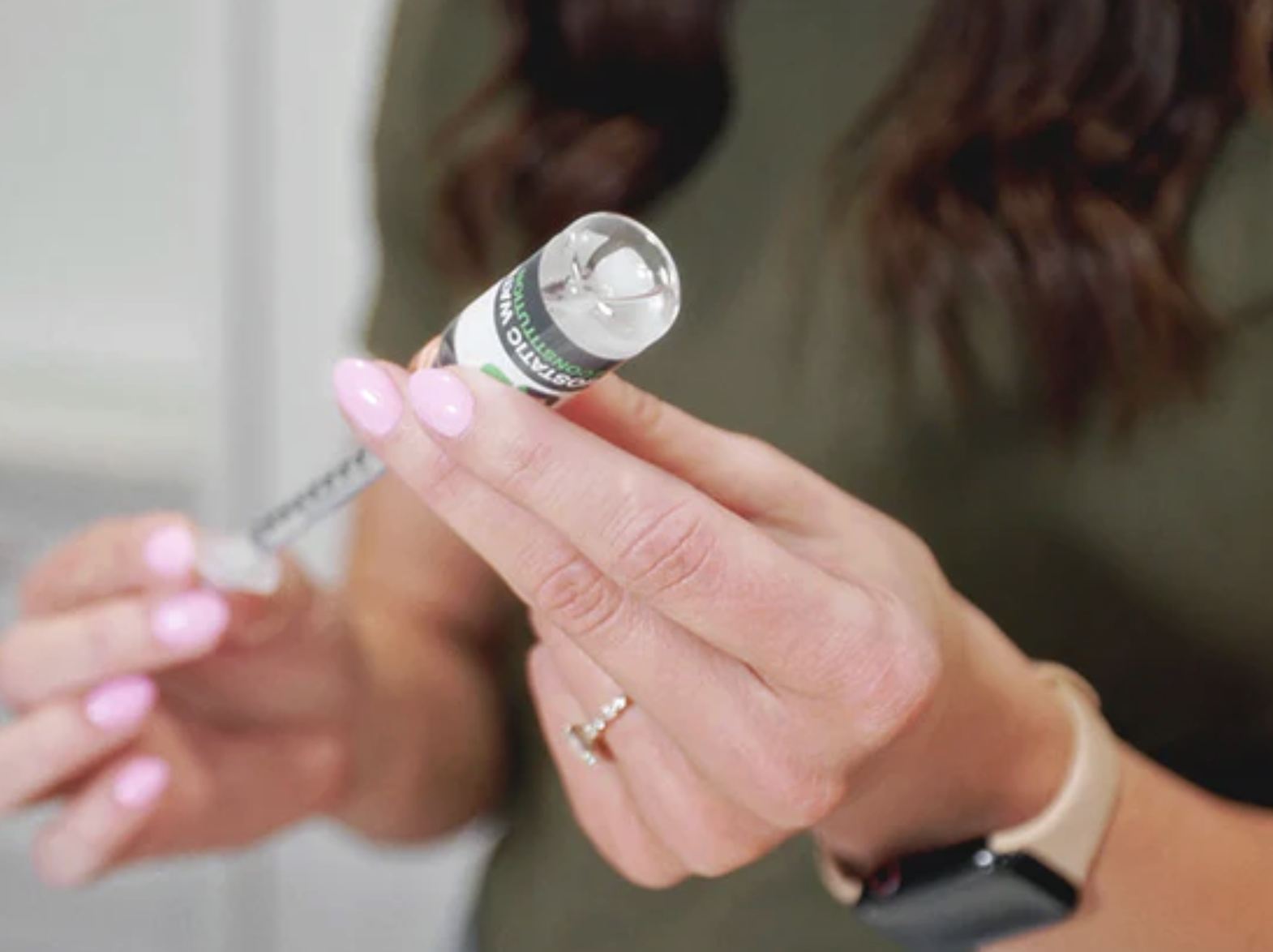
Here are some of the most discussed peptides right now:
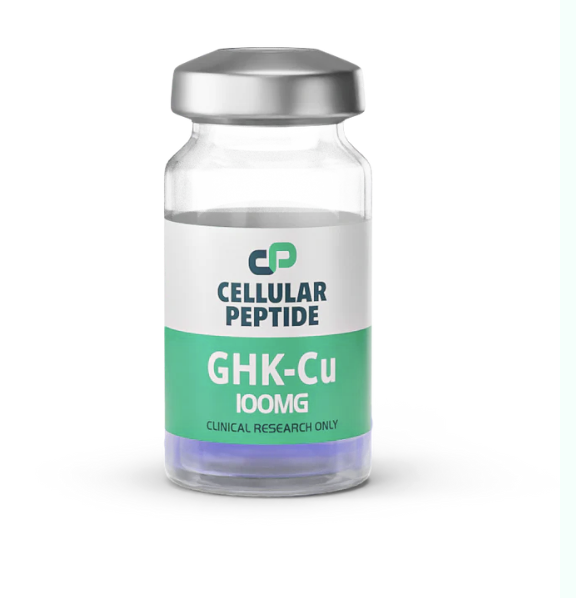
- GHK-Cu: Known for its impressive support of skin health, collagen production, and overall tissue repair.
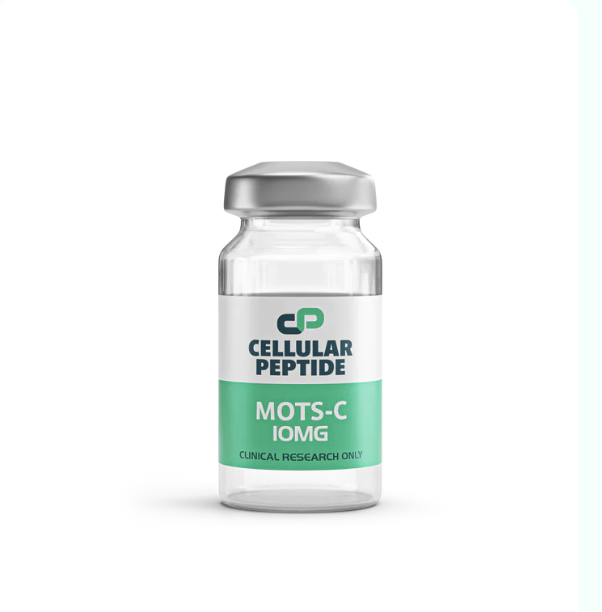
- MOTS-c: A mitochondrial peptide that helps support cellular energy and metabolic function.
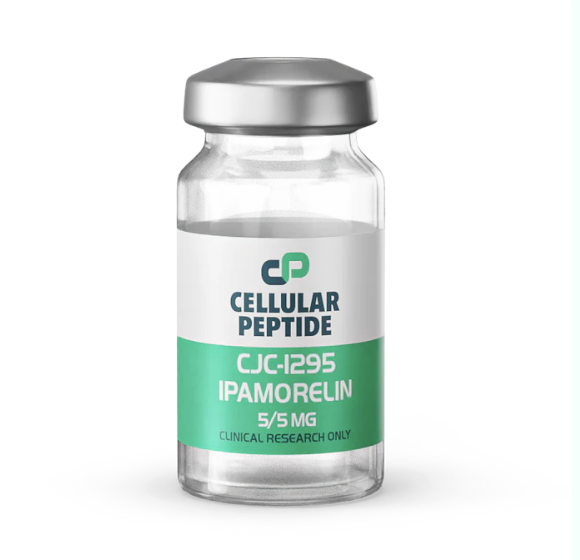
- CJC-1295 + Ipamorelin: Often used together to promote better recovery, deeper sleep, and growth hormone support.
- GLP-1s: Gaining attention for their role in metabolic health, appetite regulation, and sustainable weight management.
These compounds are generating significant interest because they work with your body rather than overriding it.
As someone deeply invested in women’s wellness, strength, and graceful aging, I personally use and trust select peptides as part of a thoughtful protocol. They’ve become valuable tools in my own wellness practice — especially when combined with the foundations I teach every day. Because here’s the truth: Peptides are not magic. They work best when paired with the non-negotiables:
- Progressive strength training
- Pilates for core strength, mobility & nervous system regulation
- High-quality sleep
- Nervous system support (stress management matters)
- Nutrient-dense nutrition
- Proper hormone balance
Healthy Aging Is About Support, Not Struggle
Frequently Asked Questions: Peptides for Women Over 40
What are peptides, and how do they work in the body?
Peptides are short chains of amino acids that act as signaling molecules, communicating with your body’s existing systems to support functions like tissue repair, metabolism, and hormone regulation. Unlike synthetic hormones, peptides work with your body’s natural pathways rather than overriding them.
Are peptides safe for women over 40?
When used under proper medical guidance and sourced from reputable providers, peptides have a strong safety profile for many women in this age group. As with any wellness protocol, peptides should be introduced as part of a personalized plan that accounts for your individual health history, current medications, and lab work.
What is GHK-Cu used for?
GHK-Cu is a copper peptide known for supporting skin health, collagen production, and tissue repair. Many women use it as part of a broader healthy aging protocol focused on skin elasticity and recovery.
What does MOTS-c do for energy and metabolism?
MOTS-c is a mitochondrial-derived peptide that supports cellular energy production and metabolic function. It’s often discussed in the context of combating the fatigue and metabolic slowdown many women experience after 40.
How do CJC-1295 and Ipamorelin support sleep and recovery?
CJC-1295 and Ipamorelin are often used together to support the body’s natural growth hormone production, which can contribute to deeper sleep, improved recovery between workouts, and better overall resilience.
What role do GLP-1 peptides play in weight management?
GLP-1 peptides support appetite regulation and metabolic health, making them a tool some women use as part of a sustainable approach to weight management, particularly when paired with strength training and nutrient-dense eating.
Can peptides replace exercise, sleep, or nutrition?
No. Peptides are not a substitute for the foundational habits that drive long-term health — progressive strength training, Pilates, quality sleep, nervous system regulation, nutrient-dense nutrition, and hormone balance. Peptides work best as a support tool alongside these non-negotiables, not a replacement for them.
How are peptides typically administered?
Most peptides used in functional medicine protocols are administered via small subcutaneous injections, similar to how other reconstituted compounds are given at home after proper instruction from a practitioner.
Who is a good candidate for peptide therapy?
Women over 40 who are maintaining healthy habits but still struggling with low energy, poor sleep, slow recovery, or hormone imbalances may be good candidates. A consultation with a qualified functional medicine practitioner can help determine whether peptide therapy fits your specific needs.
How can I get started with peptide therapy in the Plano, TX area?
If you’re local to Plano, Texas, scheduling a consultation with a certified functional medicine practitioner is the best first step. A thorough assessment, including lab work, helps determine which peptides — if any — align with your individual health goals.