Key Differences Between Classical Pilates and Other Pilates Styles
If you have done Pilates at a gym, a large studio, or a group reformer class and wondered why it did not produce the results you expected — you may have been doing something quite different from the method Joseph Pilates actually designed.
At Fit N Pilates in Plano, TX, we teach authentic classical Joseph Pilates. The distinction matters — not for the sake of tradition, but for the sake of results.
What Classical Pilates Is
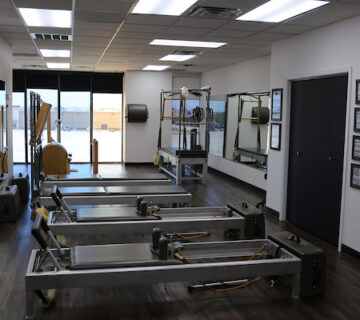
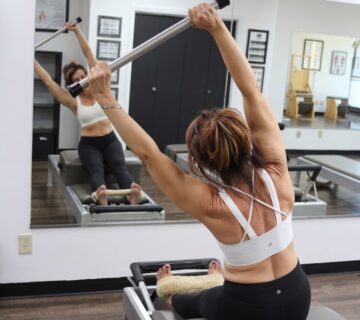
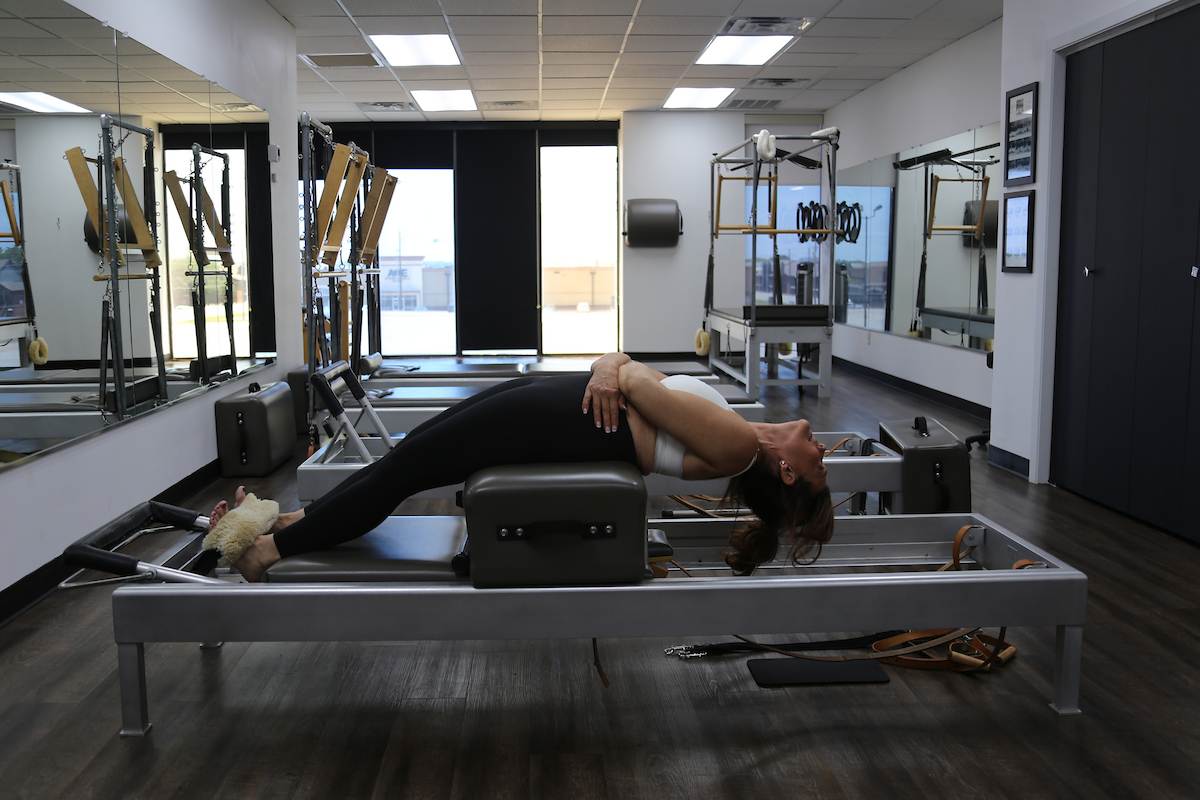
Classical Pilates refers to the original system developed by Joseph Pilates and preserved through his direct lineage of teachers — particularly Romana Kryzanowska, who taught at the original New York studio and trained instructors who carry that methodology forward today. The classical system includes a specific, deliberately sequenced order of exercises on the mat and on each piece of apparatus — the reformer, cadillac, wunda chair, high chair, spine corrector, ladder barrel, and small barrel. The sequence is not arbitrary. Each exercise prepares the body for the next by developing strength, flexibility, and coordination in a specific progression.
What Modern or Contemporary Pilates Is
Contemporary Pilates takes the equipment and some of the exercises from the Pilates system and modifies, rearranges, or supplements them based on various theories about biomechanics, physical therapy, or market appeal. The result is a wide spectrum — from thoughtfully adapted programming by knowledgeable instructors to group reformer circuits with little individual instruction or classical foundation.
Neither is inherently wrong, but they are genuinely different practices. Contemporary Pilates instruction is widely variable. Classical Pilates has a defined curriculum and a lineage-based quality standard.
Why the Sequence Matters
The classical sequence is designed so that each exercise both requires and develops something specific. Attempting exercises out of order, or without the foundational strength and body awareness the earlier exercises build, reduces efficiency and increases the risk of compensating with the wrong muscles — which defeats the purpose.
This is why private instruction matters so much in classical Pilates. A trained instructor assesses where you are in the sequence, what your body needs, and ensures you develop the prerequisites before advancing. The individualization is built into the method.
For clients working on the whole-body picture, we also recommend a consultation at FitNVitality. Nutrition, hormonal balance, and gut health all influence how your body responds to Pilates training — the combination of the two produces outcomes neither can achieve independently.
Frequently Asked Questions
Is classical Pilates harder than regular Pilates?
Classical Pilates is precise rather than simply hard. Many people find it more challenging than what they have done before — not because of high intensity, but because it requires specific muscle activation patterns that most people have never trained. The first several sessions are often humbling in the best way. Over time, clients describe it as demanding in a way that feels deeply productive rather than exhausting.
Can I switch from contemporary Pilates to classical Pilates?
Absolutely. Many of our clients come to us with Pilates experience and find that classical training fills in significant gaps. Prior experience can be helpful — you will already understand some of the vocabulary and have baseline body awareness. We assess each new client regardless of prior experience to determine the appropriate starting point in the classical sequence.
Does it matter what certification my Pilates instructor has?
Yes, significantly. Pilates is not a licensed or regulated profession in most states, which means certification programs vary enormously in depth and rigor — from 40-hour weekend certifications to 600+ hour classical apprenticeship programs. For therapeutic work or genuine classical training, look for instructors trained through comprehensive programs with classical lineage. Ask about the hours of training, the lineage or methodology, and whether the instructor completed a supervised apprenticeship.
If you are curious what classical Pilates can do for your body that other approaches have not, we invite you to schedule a private session at Fit N Pilates in Plano, TX.
Fit N Pilates | Shannon Rene & Denee
2301 Ohio Dr, Suite 245, Plano TX 75093 | (214) 789-5563