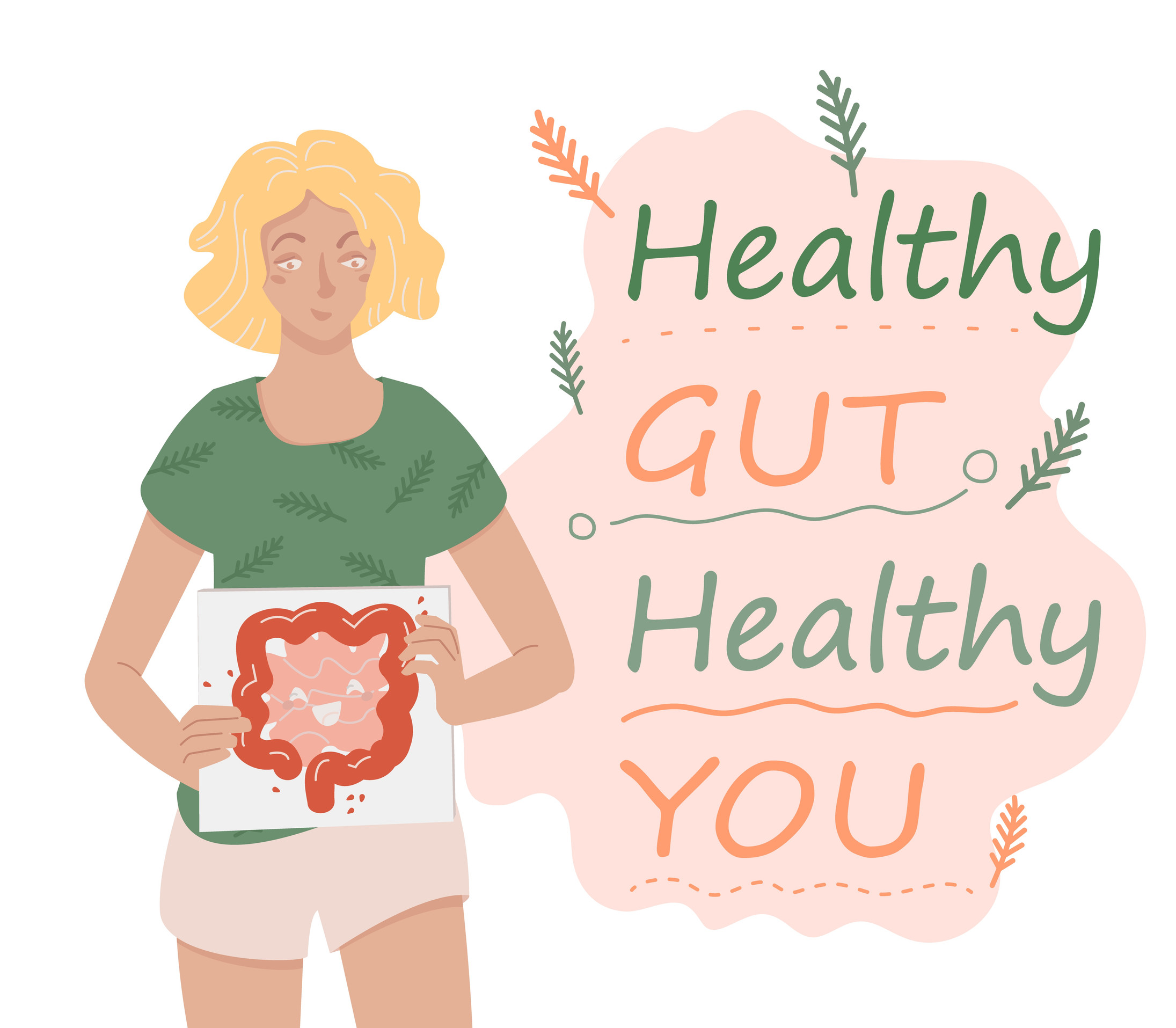
Many people are all too familiar with the discomfort and frustration that come with constipation, often turning to the usual advice of increasing fiber intake. But what if we told you that the solution to unlocking this common issue could lie beyond just fiber? When it comes to understanding constipation, gut health plays a pivotal role, influencing more than we might realize. It’s essential to delve deeper into the complex ecosystem residing in our digestive tract to uncover the often-overlooked causes of constipation.
The human gut is a bustling community of trillions of microorganisms that work in harmony to keep our digestive processes running smoothly. When this balance is disrupted, it can lead to a host of problems, one of which is constipation. Exploring the intricate relationship between gut health and constipation reveals potent insights into why your struggle might persist despite a high-fiber diet. This blog post will guide you through the hidden factors affecting your gut health and offer practical, science-backed solutions to ease your journey towards regularity.
Understanding the Gut Microbiome: Key Players in Digestive Health
Are you struggling with constipation? The answer often lies in the microscopic inhabitants of your gastrointestinal tract. The gut microbiome is composed of bacteria, viruses, fungi, and other microorganisms that coexist in a delicate balance. Beneficial bacteria such as Bifidobacterium and Lactobacillus assist in fermenting indigestible carbohydrates, producing short-chain fatty acids that nourish colon cells and support motility. These metabolites also help maintain a healthy pH in the colon, preventing the overgrowth of pathogenic species.
However, when the equilibrium tilts—due to poor diet, stress, or antibiotic use—the protective barrier provided by these microbes weakens. Harmful bacteria can proliferate, causing inflammation and slowing transit time through the gut. This imbalance not only contributes to constipation but can also manifest as bloating, gas, and abdominal pain. Optimizing gut health means fostering diversity in your microbiome by incorporating fermented foods, reducing unnecessary medications, and managing stress to create an environment where beneficial microbes can thrive.
Impact of Gut Dysbiosis on Constipation
Gut dysbiosis refers to an imbalance in the microbial community that resides in your intestines. When beneficial species decline, pathogenic organisms take the stage, leading to inflammation and impaired gut motility. This disruption can directly cause hard, infrequent stools, making bowel movements painful and irregular.
Research shows that individuals with chronic constipation often exhibit lower levels of microbial diversity. This loss of diversity diminishes the gut’s ability to break down complex fibers and produce metabolites that stimulate muscle contractions. As a result, the slowed transit time perpetuates constipation, creating a vicious cycle. Addressing dysbiosis through diet, probiotics, and lifestyle interventions is crucial in restoring a balanced microbiome and improving digestive regularity.
Role of Hydration in Maintaining Gut Motility
Water plays an indispensable role in the digestive process by softening stool and facilitating its passage through the colon. Dehydration leads to water being reabsorbed from the stool, resulting in harder, drier bowel movements that are difficult to pass. Maintaining adequate hydration is therefore a simple yet effective strategy in combating constipation.
Aim for at least eight glasses of water daily, adjusting intake based on activity level, climate, and overall health. In addition to plain water, herbal teas and hydrating foods like cucumbers, watermelon, and celery contribute to your fluid requirements. Proper hydration supports the mucosal lining of the intestines, ensuring smooth peristaltic action and preventing the sluggish bowel movements associated with chronic constipation.
Stress, Anxiety, and Their Effects on Digestion
The gut-brain axis is a bidirectional communication network linking the central nervous system with the enteric nervous system. When stress or anxiety levels rise, they trigger the release of cortisol and adrenaline, hormones that can slow down digestive processes. Prolonged stress contributes to gut dysbiosis by altering the composition of gut bacteria, further impeding motility and exacerbating constipation.
Chronic stress may also lead to poor eating habits—skipping meals, overeating, or relying on processed foods—all of which negatively impact gut health. Incorporating stress-management techniques like mindfulness meditation, deep breathing exercises, and regular physical activity can help regulate hormonal responses and restore normal digestive rhythms. By calming the mind, you simultaneously ease the gut, fostering more consistent bowel movements.
Importance of Physical Activity for Gut Health and Regularity
Regular exercise is a cornerstone of a healthy gut. Physical movement stimulates peristalsis, the wave-like muscle contractions that propel food and stool through the intestines. Even moderate activities—such as brisk walking, cycling, or yoga—can accelerate transit time and reduce the risk of constipation.
Exercise also promotes blood flow to the gut lining, supporting nutrient absorption and tissue repair. Strengthening core muscles through targeted workouts helps maintain pelvic floor integrity, which is essential for efficient bowel movements. For those with sedentary jobs, incorporating short activity breaks every hour can make a significant difference in preventing prolonged stagnation in the colon.
Medications and their Contribution to Constipation
Certain prescription and over-the-counter medications can inadvertently slow down intestinal transit. Common culprits include opioid painkillers, antacids containing aluminum or calcium, iron supplements, and various antihistamines. These substances can diminish peristaltic action, leading to harder stools that are challenging to pass.
If you suspect a medication is affecting your bowel habits, consult with your healthcare provider before making any changes. They may adjust the dosage, switch you to a different class of drugs, or recommend adjunct therapies such as stool softeners or osmotic laxatives. Always follow medical guidance to safely manage both your primary condition and digestive health.
Dietary Triggers of Constipation Beyond Fiber
While fiber is crucial for regularity, other dietary factors can exacerbate constipation. High intake of dairy products, red meat, and highly processed foods can contribute to slowed transit. Dairy can be particularly constipating for individuals with lactose intolerance, causing spasms and rigidity in the colon.
Processed foods often lack water and beneficial nutrients, offering little assistance to the gut microbiome. Trans fats and excessive sugar can feed harmful bacteria, worsening dysbiosis. Replace these triggers with whole foods—fresh fruits, vegetables, legumes, and lean proteins—and ensure balanced macronutrient intake. Paying attention to both what you include and what you exclude from your diet is key to unlocking regularity.
Probiotics and Prebiotics: Balancing the Gut Flora
Probiotics are live beneficial bacteria that, when consumed in adequate amounts, confer health benefits on the host. Strains such as Bifidobacterium lactis and Lactobacillus plantarum have been shown to improve stool frequency and consistency in people with constipation. They work by enhancing short-chain fatty acid production, modulating immune responses, and improving gut barrier function.
Prebiotics are non-digestible fibers that feed these beneficial microbes. Foods rich in inulin, fructooligosaccharides, and resistant starch—such as onions, garlic, bananas, and cooked-and-cooled potatoes—help nourish probiotic strains. Together, probiotics and prebiotics create a symbiotic relationship that restores microbial diversity, reduces inflammation, and promotes a smoother digestive process.
Lifestyle Changes for Long-Term Gut Health Improvement
Long-term relief from constipation requires holistic lifestyle adjustments. Start by establishing consistent meal and sleep schedules to regulate your internal clock and digestive cycles. Prioritize nutrient-dense foods, regular hydration, and balanced exercise routines. Incorporate mindful eating practices—chewing thoroughly, eating without distractions, and honoring hunger and satiety cues.
Tracking your bowel patterns in a journal can help identify triggers and measure progress. Combine dietary changes with stress-reduction techniques, such as progressive muscle relaxation or gentle stretching, to support the gut-brain axis. Over time, these incremental habits build resilience in your digestive system, paving the way for sustained improvements in gut health and regularity.
Conclusion: Integrating Holistic Approaches for Optimal Gut Function
Beyond simply upping your fiber intake, unlocking constipation requires a multifaceted strategy that addresses the root causes embedded within gut health. By nurturing a diverse microbiome, staying hydrated, managing stress, and embracing physical activity, you pave the way for smoother digestion.
Incorporate probiotics, prebiotics, and mindful lifestyle adjustments to maintain long-term gut balance. With a holistic approach, relief from constipation is not only achievable but sustainable, allowing you to enjoy life with freedom and comfort.